Furnishing strategy that improves rental performance
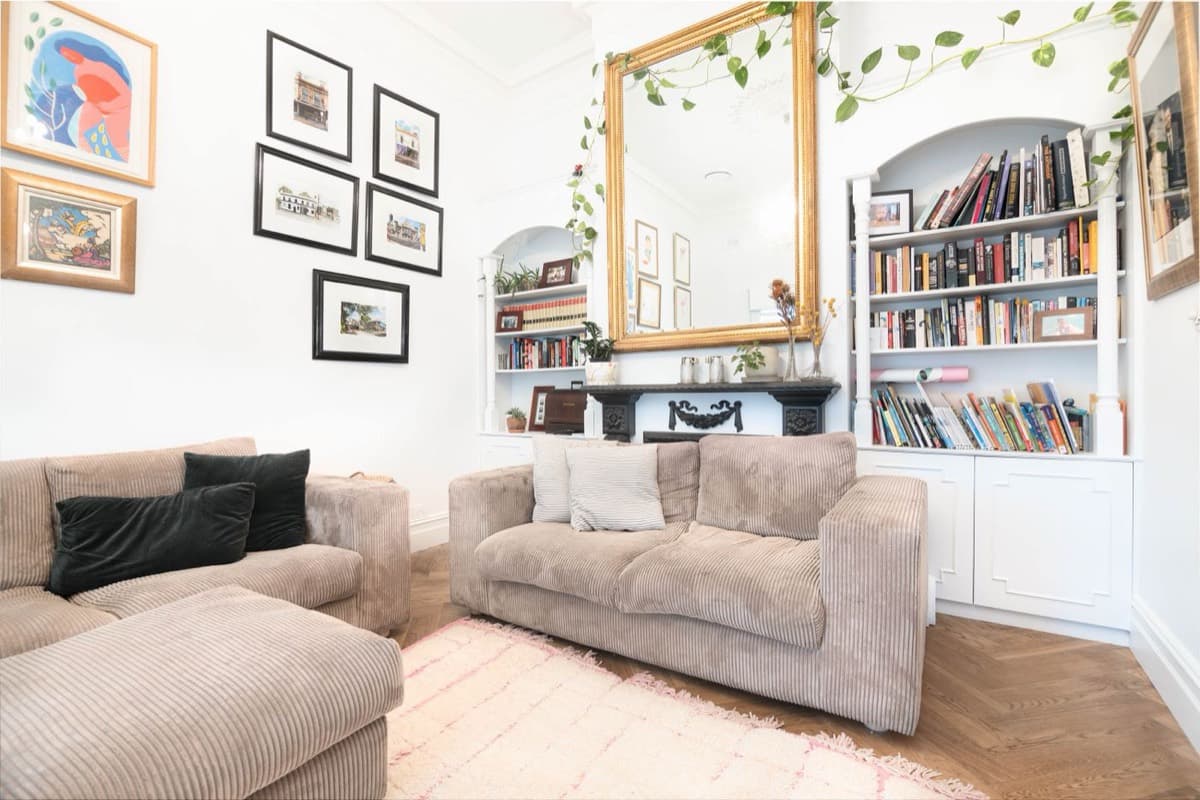
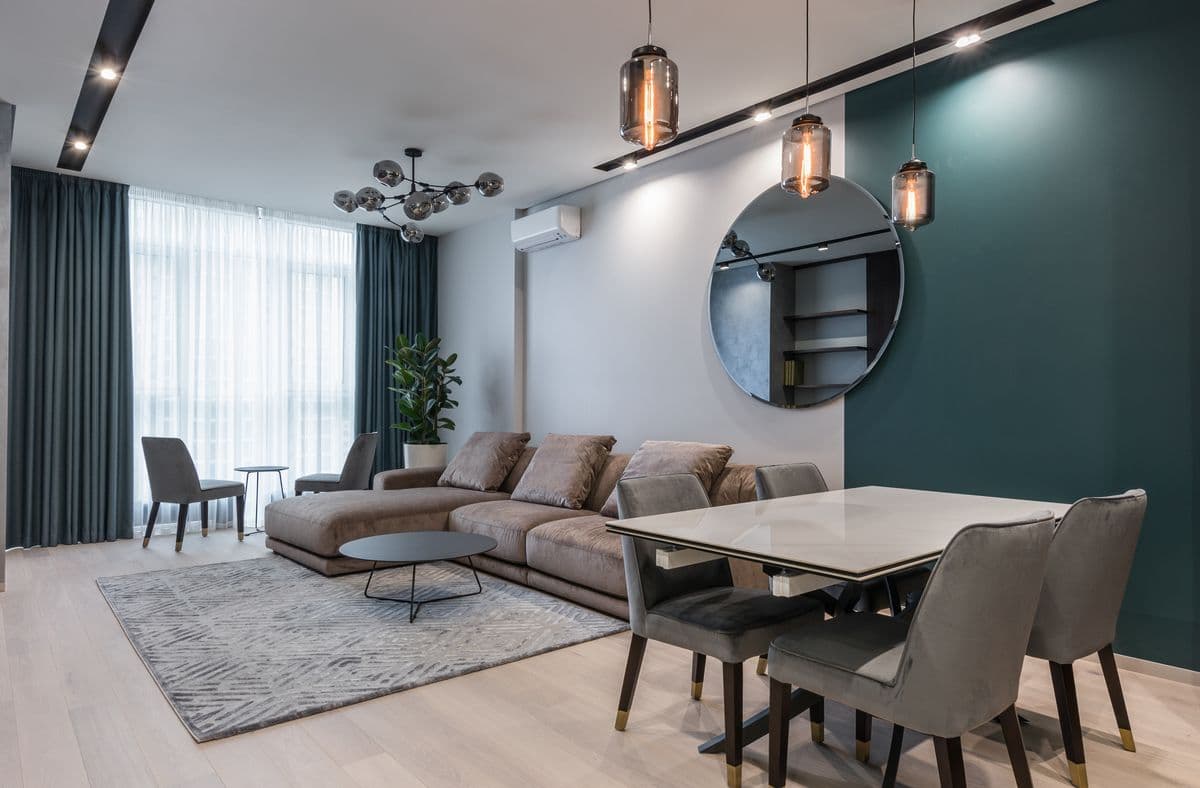
Furnishing is often treated as the soft, end-of-project part of getting a unit ready — the bit you do once the real work is finished. That framing costs money. Furnishing decisions show up in how a unit photographs, how long the contents survive, and how often something has to be replaced. Approached as a strategy rather than a shopping trip, it improves rental performance in ways that compound over the life of the unit.
Specify for durability, not just the photograph
A unit that turns over frequently takes more wear in a year than a family home takes in five. The cheapest sofa is rarely the cheapest sofa once you count the replacement. Specifying contract-grade upholstery, scrubbable finishes and robust mattresses costs more at fit-out and far less across the operating life. Durability is a financial decision dressed as a furniture one.
Standardise across a portfolio
Operators running several units gain more from consistency than from bespoke styling in each one. A standard specification means spares are interchangeable, a damaged item is replaced from stock rather than re-sourced, and every unit meets the same standard without re-deciding it each time. Standardisation is what lets a portfolio add units without rebuilding the setup process from scratch.
- Common furniture lines so replacements are quick and like-for-like.
- A repeatable inventory list per unit type, scaled by room count.
- Consistent soft furnishings and finishes that read as one brand standard.
Get the finishing touches right
The difference between a unit that looks furnished and one that looks ready is in the last layer: lighting, window dressing, artwork and the small kitchen and bathroom items that make a space feel cared for. These are low-cost relative to the furniture, but they carry a disproportionate weight in how a unit presents — and presentation drives the first impression.
Furnish to the intended use
A unit aimed at longer corporate stays needs workspace, storage and a fully equipped kitchen. A compact studio needs space-efficient pieces that do not crowd the room. Furnishing to the brief avoids two opposite mistakes — over-spending on a unit that will not return it, and under-furnishing one that needed more to perform.
Conclusion
A good furnishing strategy is durable, standardised, well finished and matched to use. It costs a little more to specify and considerably less to run, and it shows up in every photograph and every replacement invoice. Treating furnishing as a performance lever rather than an afterthought is one of the most reliable ways to lift how a unit performs over its operating life.
Need a unit furnished, fitted out and ready to run?
Urban Ready prepares and maintains London residential units to a guest-ready standard for operators and landlords — scoped to your brief, with one fixed quote.
Request a quote