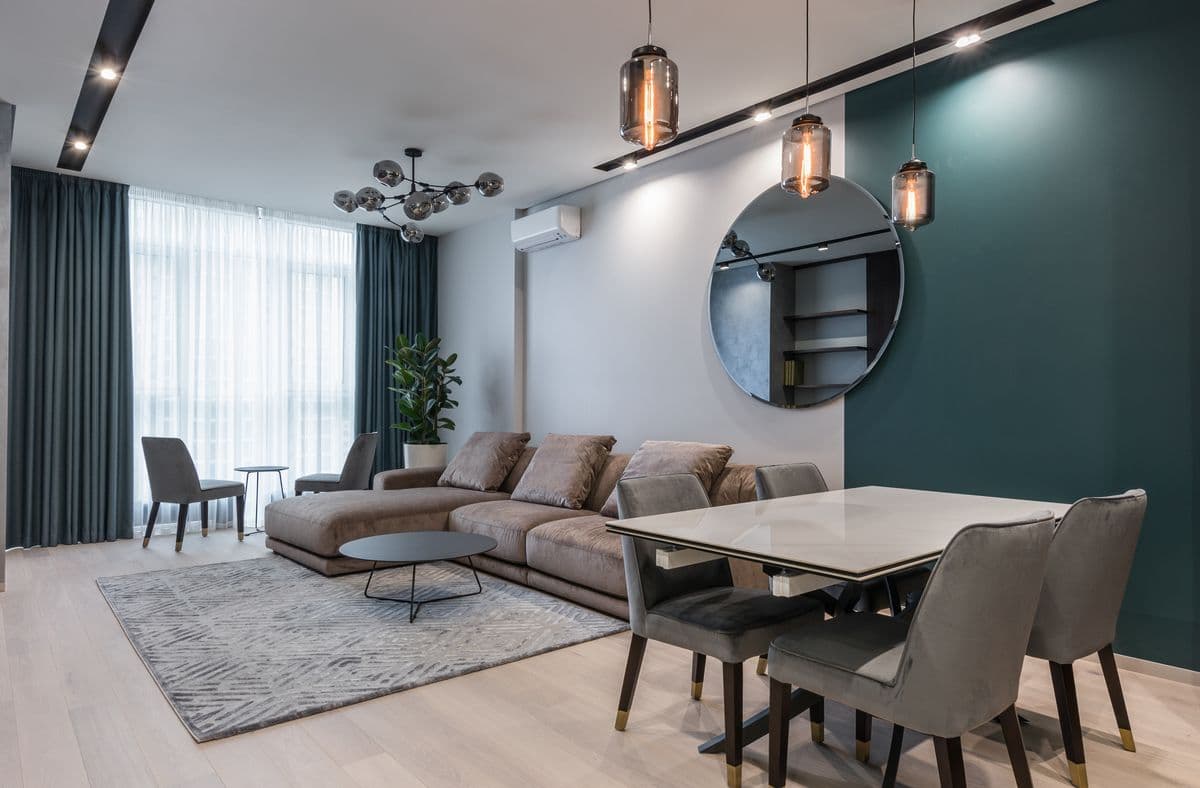
From empty flat to operator-ready: a London property setup checklist
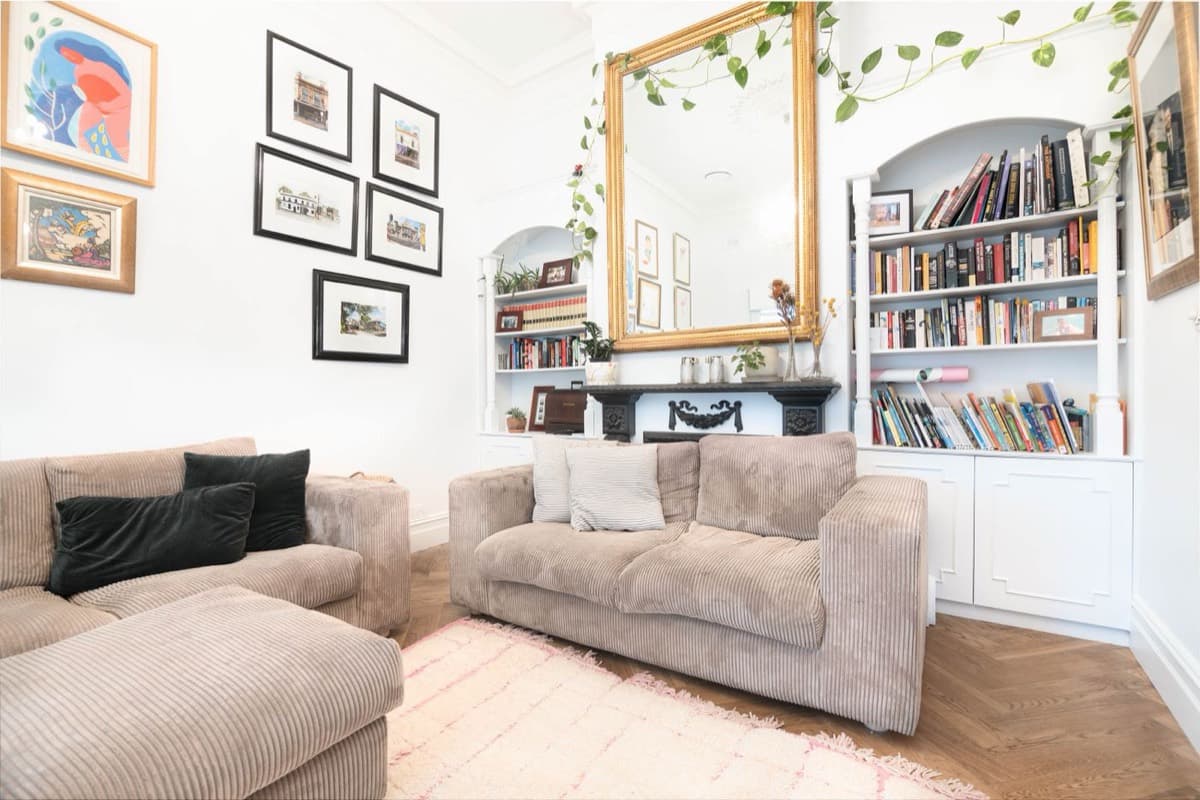
Preparing an empty flat for an accommodation operator takes more than delivering furniture. The work needs a clear brief, a room-by-room inventory, functioning services and a documented handover. Agree who owns each part before ordering, then check the finished property against that scope.
1. Define what the operator needs
Start with the intended use, the property layout and the operator’s specification. Record the proposed sleeping arrangements, furniture requirements, storage, dining space and working areas. Measure the rooms and delivery route before choosing large items.
Decide what already exists, what can remain and what needs repair or replacement. A measured brief helps prevent a familiar problem: furniture that fits the room but cannot reach it through the entrance, staircase or lift.
Urban Ready provides property setup, furnishing and maintenance services for business clients. The operator retains responsibility for its guest-facing operation, listings and pricing.
2. Establish the checks and responsibilities
Identify the permissions, inspections and documents relevant to the property and intended use with the responsible owner, operator and competent advisers. Record who is obtaining each item and what must be resolved before handover. A generic checklist cannot establish that every property is ready for its proposed use.

Keep physical installation, inspection evidence and operating responsibilities distinct. An item being delivered is not proof that it has been installed correctly or checked. Any unresolved issue needs a named owner and an agreed next action.
3. Build a room-by-room inventory
| Area | Items to scope and check |
|---|---|
| Bedrooms | Beds, mattresses, storage, lighting and window coverings |
| Living space | Seating, tables, lighting and circulation space |
| Dining | Table and seats matched to the agreed brief |
| Kitchen | Appliances, cookware, utensils, crockery and storage |
| Bathrooms | Agreed fittings, storage and accessories |
| Laundry | Equipment, drying arrangements and instructions |
| Access | Agreed key or access system and tested entry route |
Record quantities, sizes and product references. If a product becomes unavailable, approve a substitute against the brief before purchase. Retaining product details also makes later replacements easier to specify.
Furnishing packages provide a starting point for discussing the scope. Confirm the contents for the particular property rather than assuming every package contains the same items.
4. Coordinate services and installation
List utility and connectivity work alongside furniture and trade work. Record the responsible account holder, access requirements and supplier appointments. Check dependencies: decorating may need to finish before furniture installation, while connectivity arrangements may need attention well before the final visit.
Use confirmed supplier dates when planning delivery and installation. Allow for building access arrangements and space to assemble items. Include packaging removal and the final clean in the scope so the handover does not leave those jobs unallocated.
5. Test what has been installed
Work through the agreed inventory in the finished property. Check assembly, operation and condition; record missing or damaged items. Test the access arrangement from the point where the operator will actually use it, and check the installed connection rather than relying only on an order confirmation.
Keep instructions, product details and relevant warranties with the handover information. Share sensitive access details through the agreed private route, not in public photographs or marketing material.
6. Hand over the evidence as well as the keys
A useful handover records what was agreed, what was installed and anything still outstanding. Include the inventory, condition photographs, relevant documents, operating instructions and the outcome of the agreed checks.
Photographs should show the completed property accurately. They are useful evidence of layout and condition, but they do not replace testing or professional inspections. Agree how any outstanding work will be handled before treating the setup as complete.
Questions before requesting a setup quote
What information should an operator provide?
The location, room count, current condition, intended use, access arrangements, target handover date and any existing inventory or specification. Mark the essentials separately from preferences.
Can existing furniture be retained?
Include it in the assessment. Its condition, dimensions and suitability need checking against the brief before deciding what stays.
How long will preparation take?
The programme depends on the scope, property condition, access, product availability and supplier appointments. Establish those dependencies before relying on a completion date.
What should the quote clarify?
The included work and products, exclusions, delivery and installation arrangements, approval of substitutions and the proposed handover process.
Send Urban Ready your property brief to discuss the setup and furnishing scope.
Need a unit furnished, fitted out and ready to run?
Urban Ready prepares and maintains London residential units to a guest-ready standard for operators and landlords — scoped to your brief, with one fixed quote.
Request a quote